Morphs
Corn snake morphs are natural and selectively bred genetic variations that affect a snake’s color, pattern, and appearance. In the wild, corn snakes tend to look fairly similar—but in captivity, careful and ethical breeding has unlocked an incredible range of visual traits, turning each animal into a living work of art.
A morph isn’t paint or dye—it’s written into the snake’s DNA. These traits are inherited from the parents and passed down through generations, making every morph the result of intentional planning, genetic knowledge, and time.
Write a short text about your service
Recessive Morphs – Require two copies of a gene to be visible (for example: Amelanistic or Anerythristic).
Write a short text about your service
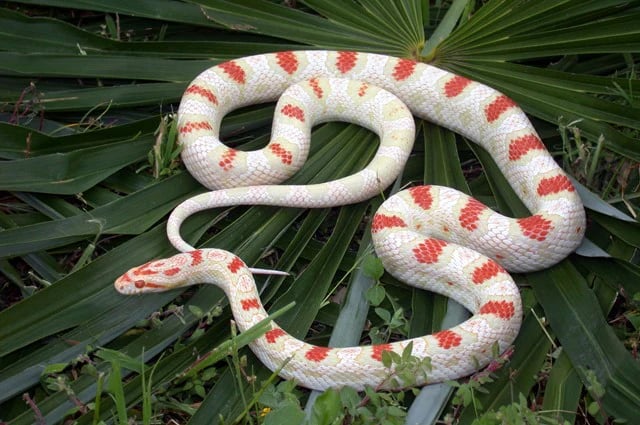
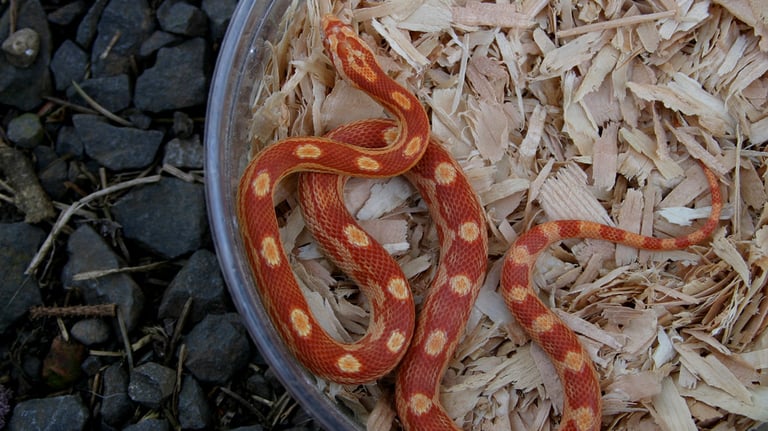
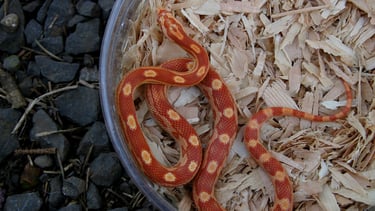
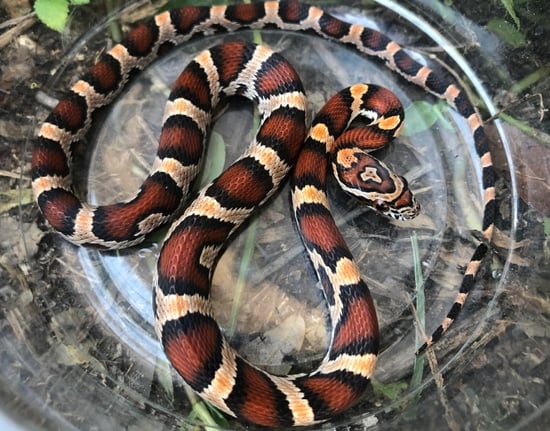
Dominant / Incomplete Dominant Morphs – Only one copy is needed to show visual changes, often intensifying when combined (such as Motley or Tessera).
Line-Bred Traits – Selectively enhanced over generations, like extreme reds, high contrast, or reduced pattern (such as the Abbott line Okeetee).
By combining different genes, breeders can produce compound morphs—snakes that display multiple traits at once, resulting in striking and sometimes unpredictable outcomes.


Why Morphs Matter
Morphs aren’t just about looks—they reflect the genetic story of the animal. Understanding morphs helps keepers:
Know what traits a snake carries
Make informed breeding decisions
Appreciate the complexity behind each pairing
Ensure ethical, responsible propagation of bloodlines
At their best, morphs represent a balance between art and science—beauty shaped by genetics, not shortcuts.
Our Philosophy
At Unhinged Origins, we view morphs as more than labels. They’re the result of deliberate choices, respect for the animal, and a drive to push genetics forward without sacrificing health or integrity. Every morph we produce has a purpose—and an origin story.